
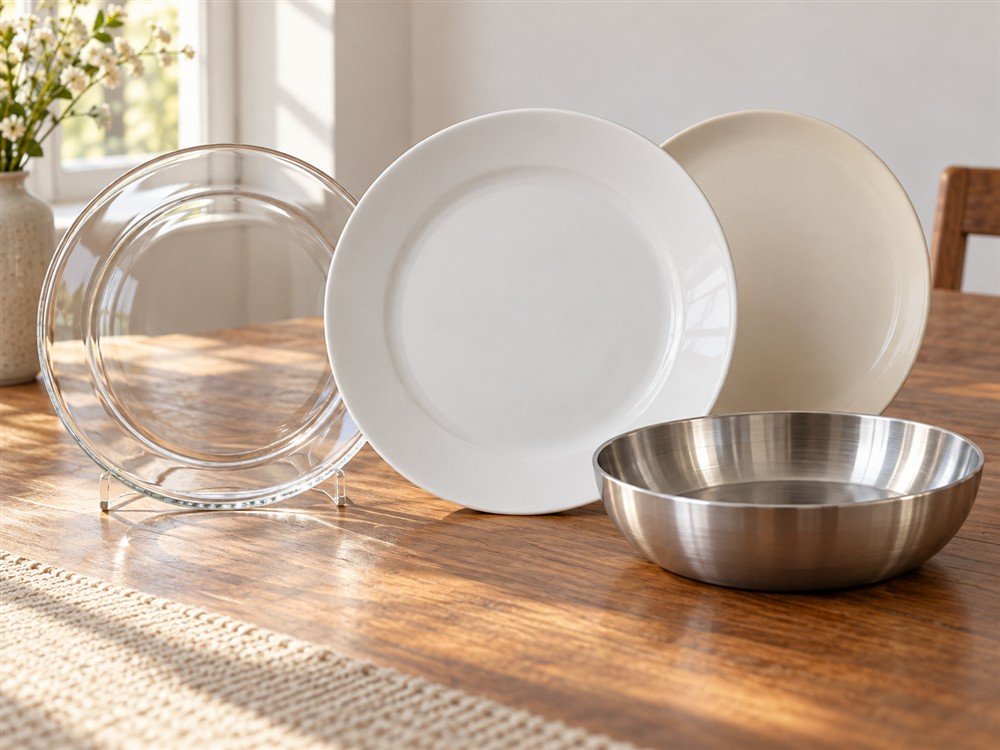
“Lead-free,” “BPA-free,” and “food-grade” can appear on very different plates. If you are choosing dinnerware for your family or ordering it for a restaurant, those labels do not tell you everything you need to know. The food you serve, how you heat it, and how the dishes will be washed all matter.
There is no single safest dinnerware material for every use. Plain glass and properly manufactured porcelain are practical starting points for everyday dining; stainless steel is worth considering where breakage is a concern. Melamine and other plastics have specific use limits. Choose finished products intended for food contact, check their heating and cleaning instructions, and replace damaged pieces rather than relying on a material name alone.
I would start with how the dinnerware will be used, then compare materials. A plate for reheating leftovers has a different job from one used beside a pool. Below, you can compare the main choices, understand what safety labels actually mean, and see what to check before buying a set or placing a bulk order.
What Is the Safest Dinnerware Material for Everyday Use?
For everyday meals, start with a traceable, food-contact product whose instructions match your routine. Plain, undecorated glass avoids glaze-related questions; porcelain can be a practical option when its glaze and decoration meet the applicable requirements. Neither choice makes every product microwave-safe or resistant to sudden temperature changes.
If preventing breakage matters more, consider stainless steel or an appropriate break-resistant product. That decision still needs to account for hot food, handling, and cleaning. You do not have to use the same material for every meal.
| Material | Useful characteristics | Main limitations | What to check |
|---|---|---|---|
| Glass | Non-porous; contents and cleanliness are easy to see | Breakage, thermal shock, and decoration vary by product | Food-use designation; microwave and heat instructions |
| Porcelain / ceramic | Many shapes and finishes for everyday service | Glaze, decoration, chips, and crazing need attention | Applicable lead/cadmium release evidence and care instructions |
| Stainless steel | Resists breakage; useful for transport and repeated handling | Not a default microwave choice; alloy and surface condition matter | Food-contact alloy, corrosion resistance, intended use |
| Melamine | Lightweight compared with many ceramic pieces; resists chipping | Do not microwave; heat and food-contact restrictions matter | Product-specific migration reports and use limits |
| Other plastics | Lightweight; some products are designed for reheating | Resin type alone does not establish heat suitability | Explicit microwave/dishwasher instructions for that item |
| Solid bamboo / wood | Useful serving surfaces for suitable foods | Moisture, joints, adhesives, and finishes require care | Finished-product food-contact suitability and drying instructions |
| Plant-fibre plastic composites | Appearance and composition vary widely | “Natural” fibre does not remove the plastic binder or market restrictions | Full composition, destination-market rules, and finished-product evidence |
What Makes Dinnerware Safe?
Safety involves more than whether a plate breaks. Consider chemical migration, physical damage, cleanability, and the intended use together. A smooth surface can be easy to wash without being suitable for the microwave; a durable plate can still be unsuitable for a particular hot-food application.
| Check | Ask this question | Practical example |
|---|---|---|
| Food contact | Was the finished item assessed for the food and conditions involved? | A decoration or coating can affect the food-contact surface. |
| Physical condition | Are there chips, cracks, sharp edges, or unstable bases? | Check rims and handles as well as the centre of a plate. |
| Cleaning | Can this item be cleaned and dried using your normal routine? | A hand-wash item may not fit a commercial dishwasher workflow. |
| Intended use | Does serving, reheating, or storage match its instructions? | Dishwasher-safe does not mean microwave-safe. |
How Do Common Dinnerware Materials Compare?
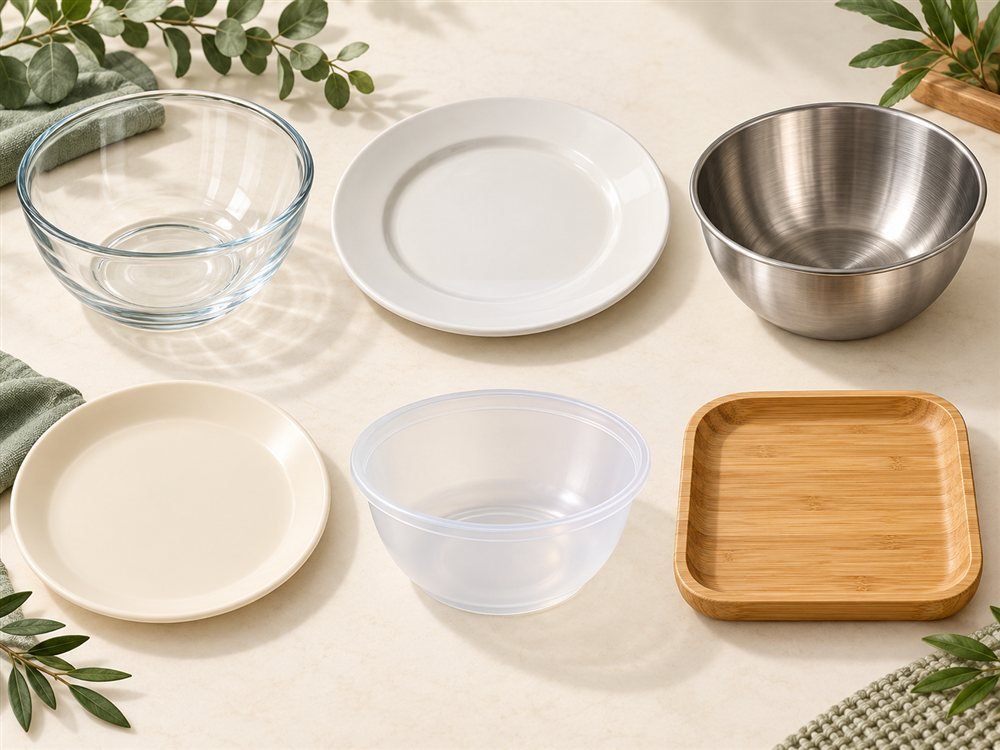
Glass: a straightforward choice, with heat and decoration limits
Plain glass is often a useful starting point for people who want to avoid plastic and ceramic glaze questions. Still, ordinary drinking glass, tempered glass, and heat-resistant glass are not interchangeable. Follow the maker’s instructions for hot contents, ovens, and microwaves, and avoid sudden temperature changes unless the product is designed for them.
Painted rims, decorative coatings, and lead crystal need separate consideration. Do not extend a claim about plain food-contact glass to every glass-looking object. A chip or crack is also a reason to stop using an item for food service.
Porcelain, stoneware, and earthenware: look beyond the colour
These are ceramic materials, but their bodies, glazes, and firing processes differ. Well-made products intended for food use can serve everyday dining needs. The relevant questions are whether the finished glaze and decoration are suitable and whether the item remains intact.
White does not automatically mean lead-free, and a colourful pattern is not proof that a plate is unsafe. Old, decorative-only, heavily worn, or untraceable pieces deserve more caution. Check the manufacturer’s heating instructions rather than assuming every ceramic plate can go in the microwave.
Stainless steel: useful when breakage is a concern
Stainless steel resists breakage and can suit canteens, transport, or outdoor meals. It also avoids the chipped glaze that can put ceramic pieces out of service. The alloy and surface condition still matter.
Acidic foods, contact time, and surface condition can affect metal release. People with nickel sensitivity may need advice relevant to their situation. Metal can also conduct heat to the rim or handle. Health Canada’s material guidance explains why composition and use conditions matter. Do not put ordinary stainless steel dinnerware in a microwave.
Melamine: useful durability, with defined restrictions
Melamine dinnerware is a moulded plastic, even when it resembles porcelain. Its resistance to everyday knocks can be useful, but “A5,” “BPA-free,” and a ceramic-like finish do not prove suitability for every food temperature or contact time.
The FDA advises against heating food or drinks in melamine dinnerware in a microwave. Germany’s BfR recommends that tableware made from melamine-formaldehyde resin should not be used in contact with hot food, because heat can increase the release of melamine and formaldehyde. This is BfR’s consumer advice, not a claim that a heat-resistance rating establishes food-contact safety.
A stated heat resistance such as 120°C is not, by itself, evidence of food-contact safety at every lower temperature. Migration depends on the finished item and exposure conditions. A migration result and a tolerable daily intake also measure different things; they cannot be compared without considering exposure.
Other plastics: identify the product, not just the recycling code
Polypropylene, PET, and other resins have different properties. Some finished plastic containers are designed for microwave reheating; others are intended for cold food or a single use. A recycling symbol identifies a material category, not approval for heating or repeated washing.
For reheating, look for an explicit microwave-use instruction, including any limits on time or food type. “BPA-free” alone cannot tell you whether a plastic plate is designed for this job.
Solid bamboo and wood: inspect the whole construction
Solid bamboo and wooden serving pieces are different from plastic mixed with bamboo powder. For a constructed bamboo item, the finish, adhesive, joints, and intended food contact all matter. A coating described as environmentally friendly is not automatically suitable for direct food contact.
Keep the intended use specific: a dry-food serving tray does not establish suitability for soup, soaking, or dishwasher cleaning. Follow washing and drying instructions and remove items with mould, persistent damage, or a deteriorating coating from food use.
Bamboo-fibre and wheat-straw composites: “natural” is not a safety result
Ask which binder or plastic is present. A plant-fibre composite can have very different restrictions from solid plant material. The European Commission’s bamboo-plastic guidance describes action against plastic food-contact articles containing bamboo and other unauthorised plant additives.
Do not assume permission in one market applies everywhere, or that a “food-grade” claim resolves an unauthorised composition. Our guides to bamboo melamine plates and wheat-straw dinnerware explain these distinctions in more detail.
What Should You Know About Lead and Cadmium in Dinnerware?
For ceramic dinnerware, the question is whether substances can be released from the finished food-contact surface under the relevant test conditions. The glaze or decoration matters; appearance alone cannot answer the question.
The FDA’s guidance on traditional pottery describes cases where items labelled lead-free still released lead. It also identifies antiques, damaged pieces, decorative ware, and products from uncertain sources as reasons for closer scrutiny. This does not mean all handmade or imported pottery is unsafe.
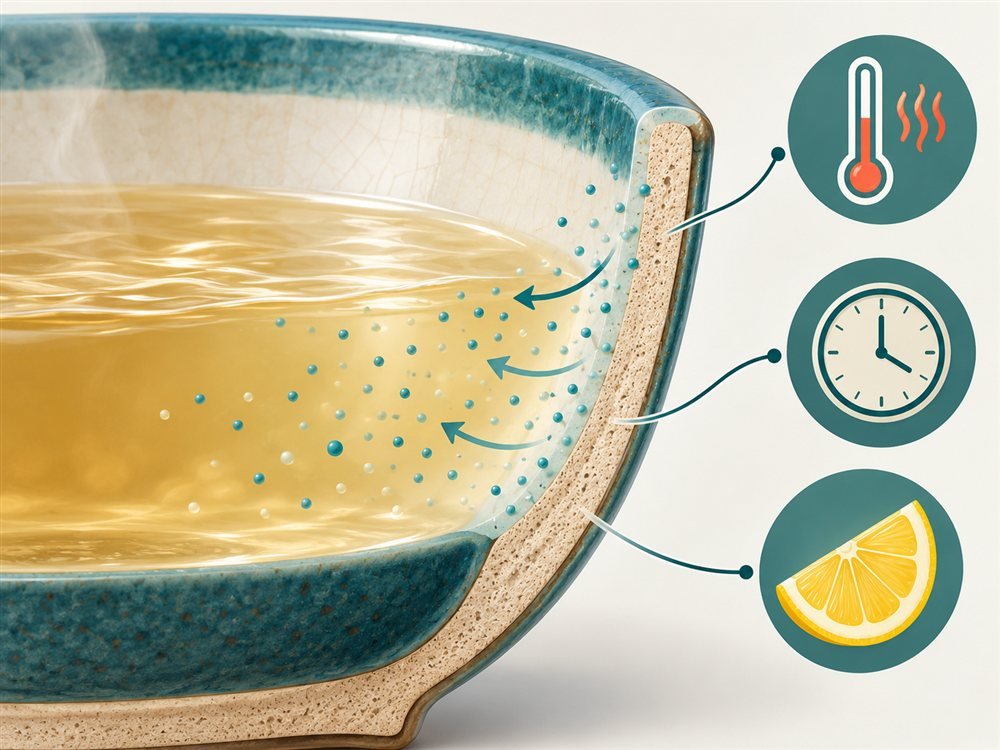
For an existing set, find the maker and model, check for a food-use restriction, and inspect the surface. FDA discusses consumer lead-test kits as a screening option for suspect pottery. Such a check is not a complete assessment of cadmium, the whole item, or compliance under laboratory migration conditions. A negative home result should not be presented as a universal safety certificate.
For a bulk purchase, request an applicable finished-product report and verify the sample description, test method, results, and limits. Washing or boiling a suspect ceramic item does not remove lead from its glaze.
Which Materials Suit Hot Food, Microwaves, and Dishwashers?
Serving a meal, heating it, storing it overnight, and machine washing the plate are separate uses. Check each one. Microwave permission should be explicit, and commercial washing should be assessed against the actual cycle and detergent instructions.
| Material | Microwave | Dishwasher | Heat or food-contact check |
|---|---|---|---|
| Glass | Only if marked suitable | Follow product instructions | Avoid thermal shock; decoration may change suitability |
| Ceramic / porcelain | Only if suitable; check metallic decoration | Follow product instructions | Check glaze condition and product-specific heating limits |
| Stainless steel | Not for ordinary microwave use | Check finish and care instructions | Handles and rims may become hot |
| Melamine | Do not microwave | Use products designated dishwasher-safe within specified conditions | Do not turn a heat-resistance number into a universal hot-food claim |
| Other plastics | Only items expressly intended for reheating | Only if specified | Check time, temperature, food type, and repeat-use limits |
| Wood / solid bamboo | Generally unsuitable unless expressly designed otherwise | Usually hand washing; follow instructions | Check coating, joints, moisture exposure, and food type |
| Plant-fibre composites | Do not assume suitability | Depends on composition and instructions | First establish the actual material and lawful intended use |
For a restaurant, match the plate to the dishwasher’s wash, rinse, and drying conditions, as well as the detergent used. Domestic dishwasher guidance may not cover a commercial cycle. See our focused guides to washing melamine plates and melamine and microwave use.
Which Dinnerware Suits Your Household or Foodservice Setting?

Everyday meals and reheating
If you regularly reheat food on the same plate, a product explicitly suitable for microwave use is a practical priority. Plain glass or appropriate ceramic dinnerware may fit that routine. Check dimensions too: an oversized plate that catches in the microwave is inconvenient even if the material is suitable.
Children and people who need easier handling
Consider weight, grip, stability, rim shape, and the chance of dropping the item. A lighter, break-resistant piece can help with handling, but it still needs to be suitable for the food served. Do not choose a material for children solely because it says “natural” or “BPA-free.”
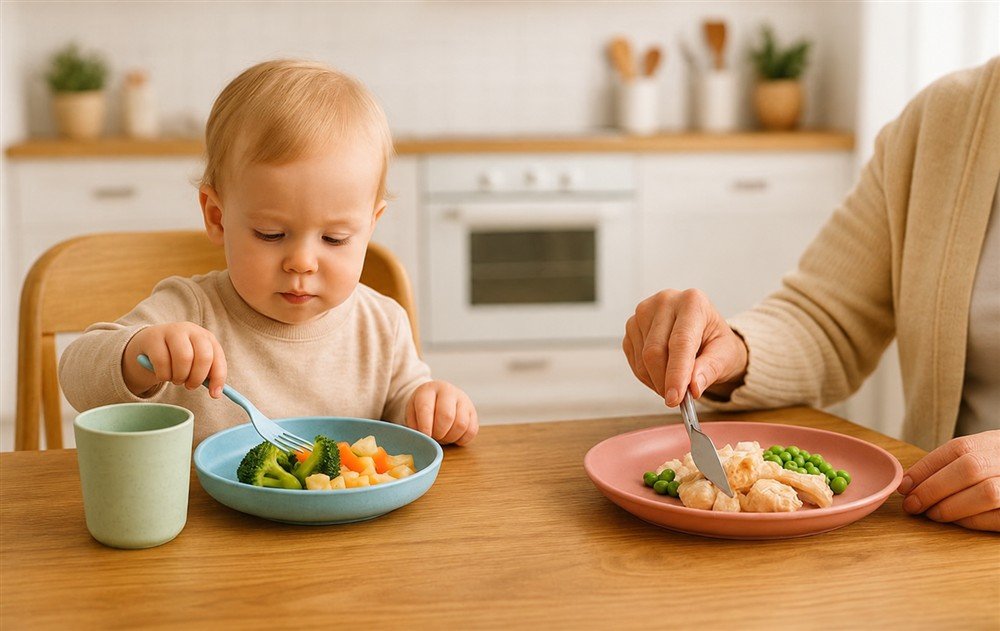
Food temperature, supervision, and comfortable utensils remain relevant regardless of the plate material. For an older user, a stable base and an easy-to-grip rim can be more useful than a generic “senior-friendly” label.
Outdoor dining, pools, and busy service
Where broken glass is a concern, compare stainless steel and suitable break-resistant alternatives. Melamine may be an option for uses consistent with its instructions and applicable guidance. It can still crack or chip, so inspect it rather than treating it as unbreakable.
Restaurants, hotels, and institutional buyers
At Duramela, we supply customised melamine dinnerware to buyers including restaurants and hotels. For a purchasing decision, I would put a sample through the intended handling, stacking, and cleaning routine before approving a bulk order. That practical check complements the documents; it does not replace laboratory testing.
A restaurant selection example: If staff reheat meals on the serving plate, start with microwave-suitable glass or ceramic. If meals are plated after cooking and carried to an outdoor area, compare break resistance, loaded weight, and grip; consider melamine only where the food-contact conditions are suitable. Then check whether the shortlisted model fits the actual dishwasher cycle. A restaurant may need different plates for these two jobs. This is a decision example, not a customer case study.
When Should You Replace Damaged Dinnerware?
A material name cannot tell you whether a particular worn item is still suitable. Inspect the food-contact surface, rims, base, and any joints. Distinguish a removable stain or utensil deposit from damage to the surface itself.
| What you see | What to check | Next step |
|---|---|---|
| Crack, chipped rim, or sharp edge | Glass, ceramic, plastic, and melamine can all be damaged | Remove from food service; do not rely on a household glue repair |
| Fine cracks in ceramic glaze | Crazing can be hard to distinguish from decorative lines | Stop use if damage is suspected and consult the maker |
| Deep scoring, peeling, or roughened surface | Look beyond superficial colour marks | Replace when the food-contact surface has deteriorated |
| Stain or metal-looking mark | Does gentle, approved cleaning remove it? | Follow care instructions; do not sand or aggressively scour |
| Mould, opening joints, or damaged wood finish | Check moisture damage and cleaning history | Remove from food use and assess replacement |
| Persistent corrosion on metal | Check alloy, chemicals, and surface damage | Seek manufacturer advice; replace deteriorated items |
There is no reliable universal lifespan for every plate. Usage, cleaning, storage, and construction differ. In foodservice, make condition checks part of the regular routine and avoid stacking damaged items back with serviceable ones.
What Do “Food-Grade,” “Lead-Free,” and “BPA-Free” Actually Tell You?
Labels can narrow a question, but they rarely answer all of it. “Lead-free” concerns lead; “BPA-free” concerns BPA. Neither statement confirms microwave suitability, every possible migrant, or the condition of a used item.
Similarly, A5 is a material description used in the melamine trade, not a universal approval of every finished design. “Eco-friendly,” “natural,” and “biodegradable” are environmental claims, not substitutes for food-contact evidence. Ask what a claim covers before using it to choose between materials.
What Should Buyers Check Before Ordering Dinnerware?
Ask for documents that match the product you will receive and the market where it will be used. A report for a different material, finish, or product range may not support the claim being made. Clarify the scope rather than accepting a logo or a cropped “PASS” page.
| Label or document | What it can tell you | What it does not establish alone |
|---|---|---|
| Food-grade / A5 | The supplier’s material description | Every finished product’s compliance or heat suitability |
| Lead-free / BPA-free | A claim concerning a particular substance | Absence of every concern or permission to microwave |
| FDA-related report | Results against the stated applicable US requirements | A blanket FDA certification of all dinnerware |
| EU declaration and supporting reports | Intended use and evidence for relevant EU requirements | That all materials are covered by the plastics regulation |
| LFGB reference | A reference to German food and consumer-goods legislation | One universal certificate valid for every product or use |
| California Proposition 65 warning | Information about an exposure warning requirement | A simple pass/fail ranking of dinnerware materials |
| Migration test report | Results for identified samples under specified conditions | Performance under every temperature, food, and contact time |
Check the product identification, laboratory, date, applicable method, food simulants, contact time and temperature, and the actual results. For repeated-use products, ask how repeated contact was addressed where required. If a design, coating, or material changes, clarify whether the existing evidence still covers it.
For melamine products we supply, we can discuss the applicable food-contact reports for your destination and selected item. Tell us the plate or bowl model, intended food use, and cleaning routine. A supplier’s report should make the decision easier to check, not replace the buyer’s understanding of the conditions.
Frequently Asked Questions
Is plain white dinnerware always safer than coloured dinnerware?
No. White colour is not a test result. Decoration and glaze composition matter, but a coloured product can meet the relevant requirements. Choose traceable food-use products and ask for applicable evidence when needed.
Are vintage Corelle, Pyrex, or inherited ceramic dishes safe?
Do not judge every old item by brand name or a single date. Identify the model, decoration, condition, and intended use, then check manufacturer guidance. If a suspect item’s food-contact suitability cannot be established, use it decoratively rather than making an unsupported safety assumption.
Is bone china a safe option?
Bone china is a type of ceramic dinnerware. Its suitability still depends on the finished glaze, decoration, condition, and instructions. The material name does not bypass the same checks used for other ceramic dishes.
Does dishwasher-safe mean microwave-safe?
No. The two uses involve different conditions. Melamine provides a familiar example: a product may be suitable for dishwasher cleaning while remaining unsuitable for microwave heating.
Does the country of manufacture determine safety?
No. Assess the manufacturer’s traceability, the finished product, and evidence for the destination market. Country alone is not a substitute for those checks.
Do I need to replace all my existing dishes?
Not simply because a material has limitations. First check identification, condition, and use instructions. Remove damaged or decorative-only pieces from food service, and investigate items of uncertain suitability before continuing to use them.
Conclusion: Choose for the Way You Use Your Dinnerware
The most useful choice starts with the meal and routine: whether you reheat food, need resistance to breakage, wash commercially, or serve outdoors. Compare materials against those needs, then check the finished product and keep it in good condition. No material name, environmental slogan, or single label answers all of those questions.
If you are considering melamine for a restaurant or hotel, share your intended use and destination market with us. We can help you review the selected model, sample requirements, and relevant documentation before ordering.
Discuss Your Dinnerware Requirements
