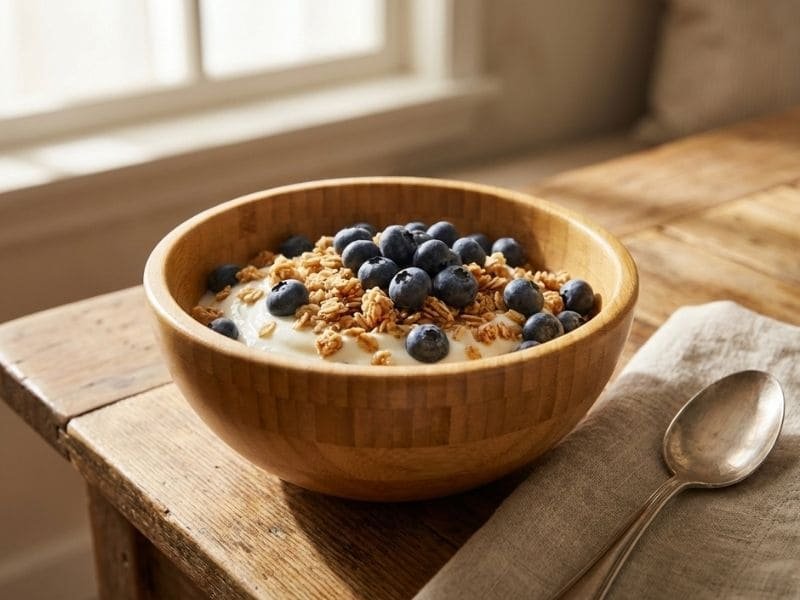
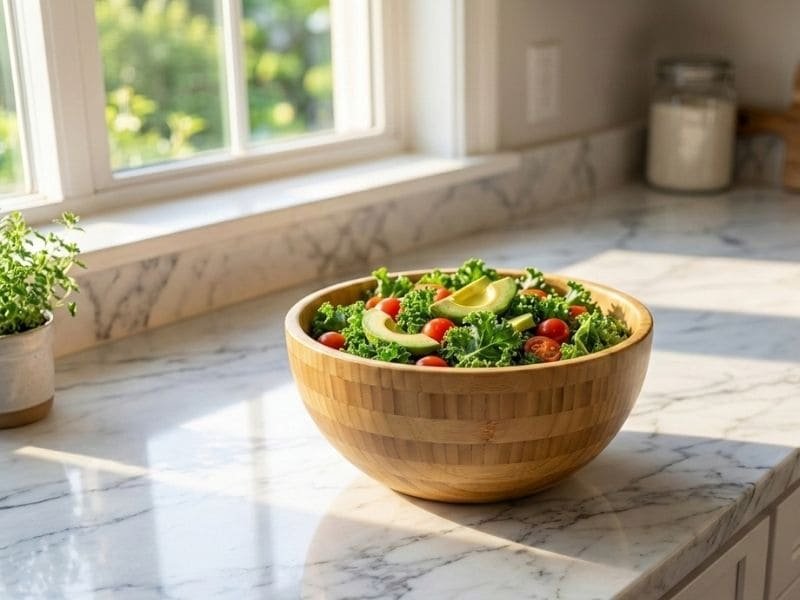
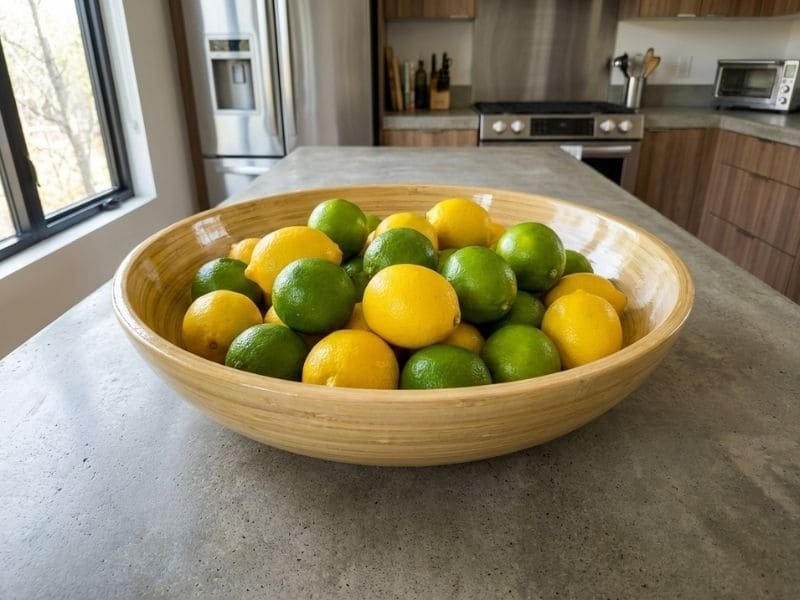
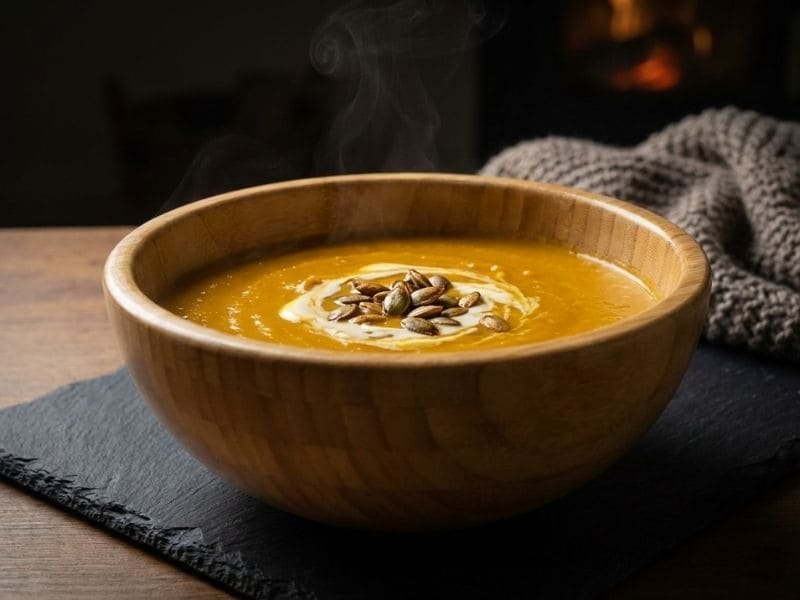
Stop browsing catalogues of “standard” bowls that don’t fit your brand’s aesthetic. Whether you need a shallow, wide-rimmed vessel for a leafy greens presentation or a deep, sturdy container for mixing dough, the dimensions should serve your purpose, not the factory’s convenience.
You aren’t buying off the shelf here. You are dictating the diameter, the depth, and the curve. A bamboo salad bowl for a family dinner needs different geometry than a single-serving poke bowl for a restaurant chain. Your specifications drive the lathe, ensuring the final product fits perfectly into your market niche.
Why Custom Manufacturing Wins Orders:
A bamboo mixing bowl takes a beating. It faces whisks, metal spoons, and acidic dressings. You need a product that doesn’t just look good on a shelf but performs in a kitchen.
The secret lies in the finish. While many factories slap on a cheap oil that washes off, you have the choice of a Food-Grade Water-Based Lacquer. This finish penetrates the bamboo fibers, sealing them against moisture and stains (like beet juice or turmeric) while maintaining a natural, matte hand-feel. It turns a simple wooden bowl into a piece of high-performance equipment.
Defining Quality: The 4 Pillars of a Premium Bowl
The Manufacturing Matrix: What You Are Buying
| Feature | Specification / Options | Benefit to Your Customer |
|---|---|---|
| Material Base | 100% Solid Moso Bamboo | Harder than oak, naturally anti-bacterial. |
| Construction | Segmented Turning / Laminated Press | Maximum stability against warping. |
| Coating Options | A. Mineral Oil (Basic) B. Water-Based Lacquer (Pro) | A: Requires re-oiling by user. B: Maintenance-free, stain-resistant, commercial grade. |
| Size Tolerance | +/- 2mm (Hand-turned precision) | Consistent stacking and portion control. |
| Testing | Hot Oil & Water Soak Tests | Ensures the bowl won’t crack during dinner service. |
Bamboo is versatile. By simply adjusting the height-to-width ratio, you transform the product’s function and target audience.
Your design file becomes the blueprint. Whether it’s a modern minimalist cylinder or a classic rounded shape, the lathe follows your command.
Shipping air is the fastest way to kill your profit margin. Unlike flat trays, bamboo bowls are voluminous. Your packaging strategy here is critical.
Note: Tell us your sales channel (Amazon FBA vs. Restaurant Supply) so we can calculate the most efficient packing method for you.
Verify Before You Verify
You shouldn’t have to guess if the bowl feels right. Before mass production, you get a tangible prototype.
The “No-Surprise” Sampling Process:
Once you approve the sample, that $120 acts as your deposit on confidence.
Yes, but with caveats. A high-quality bamboo serving bowl finished with water-based lacquer can handle warm soups (up to 70°C/158°F). However, they are not designed for boiling liquids or microwave use, as extreme heat can cause the natural fibers to expand and potentially crack over time. They are best for salads, fruits, breads, and warm grains.
Natural bamboo is porous, but that’s why the finish matters. Our premium water-based lacquer creates a seal that resists staining from beet juice, curry, or oil. If you choose a simple mineral oil finish, the bowl will require more maintenance and is more susceptible to staining.
Moisture control is key. Our manufacturing process kiln-dries the bamboo to 8-12% moisture content before turning. For your inventory, ensure they are stored in a dry, ventilated area. The lacquer finish also acts as a barrier against ambient humidity and mold spores.
While most bamboo mixing bowls are turned on a lathe (making them round), we can produce oval, square, or irregular “live edge” styles using CNC routing and pressing techniques. Note that irregular shapes may have a slightly higher tooling cost than standard round turning.
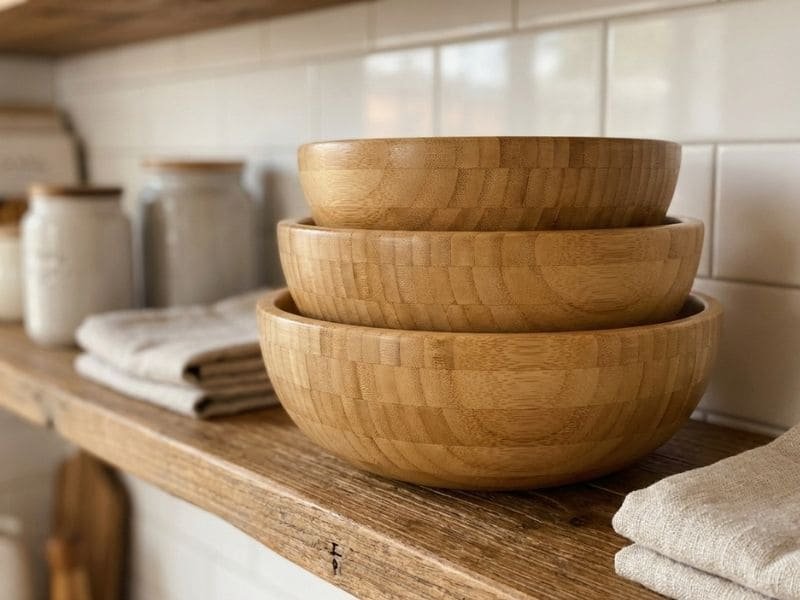
Huge cost difference. Bulk packing (nesting bowls inside each other) allows us to fit 3x more product into a container compared to individual retail boxes. If you are selling sets, we highly recommend designing them to nest to save you thousands in sea freight.
Bamboo is hard, but it’s not a cutting board. Using sharp serrated knives inside a bamboo salad bowl will eventually score the finish. We recommend using wooden or melamine serving utensils to maintain the smooth, premium look of the bowl’s interior for years.
WhatsApp us