

You search online for safe bamboo plates. You see warnings about toxic chemicals and fake green products. You feel confused and worried about your child’s health.
Yes, 100% solid bamboo plates are completely safe, non-toxic, and plastic-free. They do not contain harmful melamine binders or formaldehyde. They offer a natural, drop-resistant surface. They are the ultimate eco-friendly choice for baby feeding and wholesale customization.
I see buyers make dangerous mistakes every day. They buy toxic composite plates instead of real wood. I want to stop this problem. I will share my factory secrets with you now. You will learn the truth about natural bamboo tableware.
Last Updated: Mar.2th 2026 | Estimated Reading Time: 9 Minutes
What is the “Bamboo Fiber” Trap and What Does 90% of the Market Get Wrong?
You buy a cheap bamboo plate online. You think you help the earth. You actually buy hidden plastic. This plastic poisons your food when you heat it.
The European Union limited these composite plates. They leach dangerous formaldehyde into hot food. Real bamboo plates use 100% solid bamboo wood with zero plastic binders.
I worked as an engineer in the tableware industry for many years. I visited many factories. I saw a huge lie in the market. Many brands sell “Bamboo Fiber” plates. They paint them in cute colors. They call them eco-friendly. This is a trap. The factory takes leftover bamboo fibre or even dust. They mix this with a melamine resin or cheap plastic glue. The bamboo fibre is just a filler. It makes the plastic look green and natural. But it is still plastic.
The European Union tested these composite plates. They found a problem. When you put much hotter food on these plates, the material possibly breaks down. The plastic glue releases high levels of formaldehyde into the food. Formaldehyde is a toxic chemical. It causes severe health issues. The EU limited these products for food contact. They issued many warnings to consumers.
You must draw a hard line. We only make 100% solid bamboo plates. We take actual bamboo stalks from the forest. We press these stalks into thick, solid wood boards. We carve the plates directly out of this solid wood. We add zero melamine powder. We use zero resin mixing. We do zero greenwashing. You get a real piece of nature on your table. You do not get a hidden plastic chemical bowl.
We test our solid wood in the lab. The lab proves it contains no plastic binders. You can see the natural wood grain on our plates. You cannot see wood grain on a composite plate. Composite plates look like dull plastic. Solid bamboo looks warm and alive. You protect your family when you choose solid wood. You avoid the toxic plastic trap completely.
Pro Tip: You can test a bamboo plate at home. You drop it on a hard floor. A solid bamboo plate makes a heavy, dull wood sound. A composite plate makes a sharp, high-pitched plastic click.
| Feature | 100% Solid Bamboo Plate | Bamboo Fiber Composite Plate |
|---|---|---|
| Material Origin | Carved from a whole natural bamboo stalk. | Bamboo dust mixed with plastic glue. |
| Plastic Content | Zero. 100% Plastic-Free. | High. Uses melamine resin binder. |
| Toxicity Risk | Completely Non-Toxic. | Leaches formaldehyde when heated. |
| Visual Appearance | Shows natural wood grain lines. | Looks like flat, colored plastic. |
| EU Legal Status | Fully Approved for food contact. | Banned in many European countries. |
Zero Plastic Reality: Are Bamboo Plates Truly Plastic-Free and Non-Toxic?
You want zero plastic in your home. You worry about hidden chemicals in wood coatings. You need a guarantee of pure, safe materials.
Yes, 100% solid bamboo plates are completely plastic-free and non-toxic. We carve them from natural wood blocks. We seal them with FDA-approved, food-grade mineral oil or natural beeswax. This makes them perfectly safe for hot food contact.
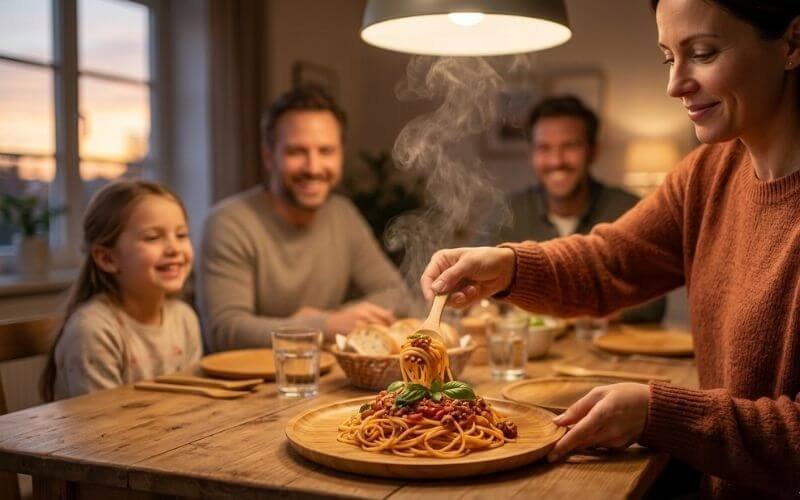
Many buyers ask me about plastic. They want to know the truth. A 100% solid bamboo plate has zero plastic parts. It does not shed microplastics over time. Traditional plastic plates shed tiny plastic pieces into your food. You eat these microplastics. Your body stores them. Solid bamboo completely eliminates this risk. At the end of its long life, you can throw the solid bamboo plate into your garden compost bin. It will break down completely. It is 100% biodegradable.
But I must share an industry secret with you. The raw wood is always safe. The danger hides in the coating. Raw bamboo absorbs water. It absorbs bacteria from food. Factories must coat the wood to protect it. Cheap factories want to save pennies. They coat their bamboo in cheap, toxic chemical varnishes. These varnishes look shiny. But they contain bad chemicals. These chemicals leach into your hot soup or hot rice.
We do things differently. We care about your health. We only use food-grade finishes. We use FDA-approved water-based varnishes. We also use natural vegetable oils. We like flaxseed oil and pure mineral oil. We rub these oils deep into the wood fibers. The oil seals the wood perfectly. It creates a safe barrier. This barrier stops water. It stops bacteria. And it keeps the plate 100% non-toxic.
You can smell the difference. A cheap plate smells like strong chemical paint when you open the box. Our plates smell like natural wood and clean oil. You can serve hot pasta on our plates without fear. The food touches a safe, natural surface. We give B2B buyers full testing reports. These reports prove our coatings pass strict safety laws.
Pro Tip: You should smell your new wooden plates. You must return them if they smell like strong nail polish or chemical paint. Safe plates only smell like raw wood or natural plant oil.
| Coating Type | Toxicity Level | Water Resistance | Safety Approval |
|---|---|---|---|
| Food-Grade Mineral Oil | Zero Toxicity | Good (Needs Re-oiling) | FDA / LFGB Approved |
| Natural Beeswax | Zero Toxicity | Very Good | FDA / LFGB Approved |
| Water-Based Varnish | Low / Safe | Excellent | FDA / LFGB Approved |
| Cheap Polyurethane | High Risk | Excellent | Fails Food Safety Tests |
Engineering for Babies: Are Bamboo Plates the Ultimate Safe Tableware?
Your baby throws plates on the floor. You clean up huge food messes every day. You need a plate that stays firmly on the table.
Solid bamboo plates are the safest choice for babies. We attach a removable food-grade silicone suction base to the bottom. This ring locks the heavy wood plate to the high chair tray. It stops babies from throwing food entirely.
I engineer plates for major baby brands. Mothers always ask for the same thing. They want safe materials. They want no messes. We designed the ultimate solution for them. We combine two perfect materials. We use solid bamboo for the top. We use pure silicone for the bottom. This is the golden combination.
The heavy bamboo provides a beautiful, natural dining surface. Bamboo naturally contains a special bio-agent. Scientists call it “Bamboo Kun.” This agent gives the wood natural antibacterial properties. It stops bad smells. It stops bacteria from growing on the plate. Regular plastic cannot do this. Babies also love to chew on their plates. They rub their sore gums on the edges. Solid bamboo provides a perfectly safe, hard surface for teething gums.
The bottom part solves the biggest pain point. We add a large silicone suction ring. You press the plate down on the high chair tray. The suction ring creates a strong vacuum. The baby cannot lift the plate. The baby cannot throw the plate across the room. You save hours of cleaning time. You simply pull a small release tab to lift the plate.
We make this suction base from 100% food-grade silicone. It is completely BPA-free. It does not contain bad chemicals. We also make the base removable. You can take the silicone ring off the wood plate. You wash the silicone ring in the dishwasher. You wash the wood plate by hand. This keeps both parts clean and safe. B2B buyers order thousands of these plates from us. They are massive bestsellers on Amazon.
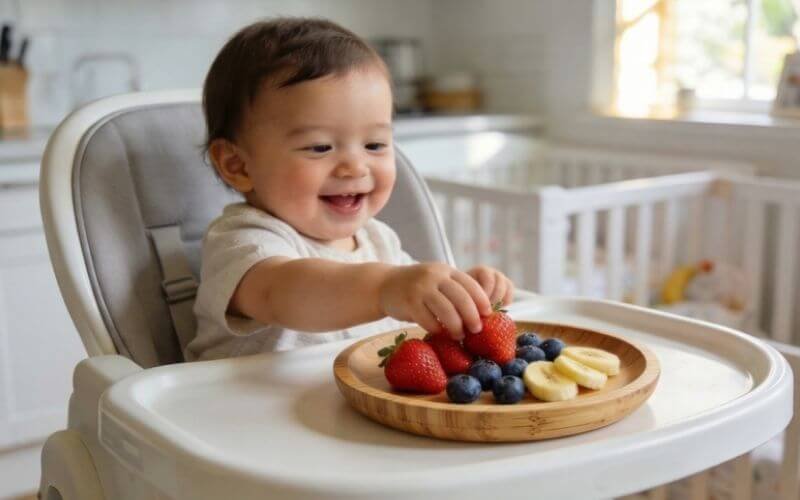
Pro Tip: You must wipe the high chair tray with a wet cloth before you stick the plate down. A tiny bit of moisture makes the silicone suction ring grip the table much stronger.
The Physics of Wood: Can You Microwave Bamboo Plates?
You want to heat leftovers quickly. You put your bamboo plate in the microwave. You hear a loud crack and smell burning wood.
No, you cannot microwave solid bamboo plates. Microwaves boil the natural moisture trapped inside the wood fibers. This expanding steam causes the solid bamboo to warp, split, and crack instantly. You must heat food in glass first.
You must understand the physics of natural wood. Wood is not like glass. Wood is not like plastic. Solid bamboo is a living material. Even after we dry it in the factory kiln, the wood still contains cellular moisture. Tiny water molecules live deep inside the bamboo fibers. This moisture keeps the wood flexible and strong.
A microwave oven works in a very specific way. It shoots invisible waves into the food. These waves target water molecules. The waves make the water molecules vibrate very fast. This friction creates extreme heat. When you put a solid bamboo plate in the microwave, the waves attack the moisture inside the wood. The water inside the wood boils in seconds. It turns into hot steam.
This steam needs space. It expands rapidly inside the dense wood. The steam pushes against the wood fibers. The solid bamboo cannot handle this intense internal pressure. The plate will warp. It will bend out of shape. It will split down the middle. You will hear a loud cracking sound. In extreme cases, the dry, overheated wood can even catch fire inside your microwave.
You must follow the absolute rule. You never put solid bamboo in a microwave. You never put it in a hot baking oven. You also cannot put it in a dishwasher. The extreme heat and harsh chemicals of a dishwasher will strip the natural oils from the wood. The plate will dry out and splinter. You must wash the plate by hand with warm soapy water. You dry it quickly with a towel. You treat it with care, and it lasts for years.
Pro Tip: You can revive a dry, dull bamboo plate very easily. You rub a spoonful of coconut oil or mineral oil into the wood with a soft cloth. You leave it overnight. The plate will look brand new the next morning.
The High-Chair Drop Test: Are Bamboo Plates Breakable?
You drop a ceramic bowl on the floor. It shatters into dangerous, sharp pieces. You worry your baby will step on the glass.
Solid bamboo plates are incredibly drop-resistant. They do not shatter like ceramic or glass. If they fall from a high chair onto a hard floor, they simply bounce. You need extreme force or a heavy hammer to break them.
I perform drop tests in our factory laboratory every week. We test many different materials. We want to see how they fail. Ceramic and glass fail terribly. They explode into hundreds of sharp shards. This creates a huge safety hazard for crawling babies. Hard plastics crack into sharp pieces. Standard PP plastic scratches deeply and flakes off into the food.
Bamboo is different. Bamboo is technically a grass, not a tree. But its tensile strength is amazing. Its strength rivals steel in some engineering metrics. The fibers grow very close together. This makes the material highly flexible and impact-resistant. We call this “graceful failure” in the engineering world. It does not break in a dangerous way.
We simulate a baby dropping the plate. We drop a solid bamboo plate from a height of one meter. We drop it onto a hard ceramic tile floor. The plate hits the floor with a loud bang. But it does not break. It usually just bounces. Sometimes it rolls. It absorbs the shock of the impact perfectly. It remains completely intact.
Of course, it is not truly indestructible. It is wood. If you take a heavy hammer and violently smash it with extreme force, it will break. If you throw it against a concrete wall very hard, it might chip on the edge. But under normal household conditions, it survives almost everything. It survives rough toddlers. It survives accidental drops from the kitchen counter. It is vastly superior to breakable plates.
Pro Tip: You should inspect the edges of your wooden plates every few months. If you see a small rough splinter from a hard drop, you can quickly smooth it out with a small piece of fine sandpaper.
| Material | Drop Survival Rate | Failure Mode (If Broken) | Microplastic Risk |
|---|---|---|---|
| Solid Bamboo | Very High (Bounces) | Dents or splits cleanly. No shards. | Zero Risk |
| Ceramic / Glass | Zero (Shatters) | Dangerous sharp shards. | Zero Risk |
| PP Plastic | High (Survives) | Cracks or breaks into sharp pieces. | High (Scratches easily) |
| Melamine | Medium (Resists) | Cracks or chips on hard impact. | Low Risk |
Are Bamboo Plates Better Than Plastic for Health and the Environment?
You hate the cold look of plastic on your table. You know plastic garbage harms the ocean. You want a natural dining table that protects the earth.
Solid bamboo completely defeats plastic. It releases zero invisible microplastics into your food when you use a knife. It is 100% biodegradable and compostable. It brings warm, organic beauty to your dining table and protects the planet’s future.
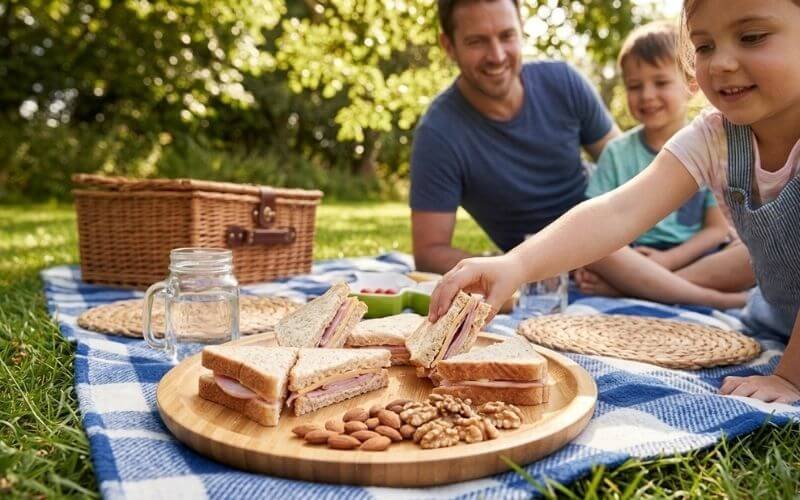
I talk to many environmentalists. They want to eliminate plastic from their lives. Plastic is an industrial product. It comes from toxic oil. Factories burn fossil fuels to make plastic plates. When you throw a plastic plate away, it sits in a landfill for five hundred years. It pollutes the soil. It pollutes the ocean. It breaks down into tiny microplastics. Fish eat these microplastics. Humans eat the fish. It is a terrible cycle.
Bamboo is the ultimate green alternative. Bamboo is the fastest-growing plant on earth. Some bamboo species grow three feet in a single day. We can harvest a mature bamboo stalk in just three to five years. Trees take decades to grow. Bamboo requires no toxic chemical fertilizers to grow. It requires no pesticides. It drinks rainwater. It cleans the air. It absorbs huge amounts of carbon dioxide from the atmosphere.
When you use a sharp metal knife on a plastic plate, you cut the plastic. You create tiny plastic flakes. These flakes mix with your dinner. You swallow them. When you use a knife on a solid bamboo plate, you might scratch the wood. But you do not swallow toxic plastic. You swallow a tiny piece of natural plant fiber. Your body easily passes natural fiber.
Bamboo also looks much better. Plastic looks cheap and cold. Solid wood brings a warm, premium feel to your home. The natural wood grain lines tell a story of nature. Every plate looks slightly different. Every plate is unique. You upgrade your dining experience when you choose bamboo. You protect your family’s health. You also vote for a cleaner, greener earth.
Pro Tip: You can bury your old, worn-out bamboo plate in your backyard garden soil. The worms and natural bacteria will completely eat and decompose the plate in a few months.
CNC Routing vs. Injection Molds: How Does B2B Customization Actually Work?
You run a baby brand. You want to sell custom animal-shaped plates. You hate the high costs of plastic injection molds.
We customize solid bamboo plates using CNC router machines, not expensive injection molds. You give us a design, and the machine carves it from a wood block. We use laser engraving for permanent, non-toxic logos with low order quantities.
I help many buyers build their brands. Amazon sellers and baby boutiques want unique products. They want a plate shaped like a cute fox, an elephant, or a fast car. They want multiple food compartments. If you make this plate in plastic or melamine, you face a huge problem. You must buy a steel injection mold. A custom steel mold costs over $3,000. It takes two months to build. The factory will demand a Minimum Order Quantity (MOQ) of 10,000 pieces. This kills small businesses.
We use a completely different manufacturing process for solid wood. We do not use molds. We use CNC machines. CNC stands for Computer Numerical Control. You send us a digital vector file. You draw the shape you want. Our engineer feeds this file into the computer. We place a solid block of thick bamboo onto the machine bed. The CNC machine uses a spinning metal drill bit. The machine moves the bit very fast. It physically carves the wood block into your exact shape.
This CNC process is amazing for wholesale cstomization. It requires zero mold costs. The machine just reads the computer file. This means we offer very low MOQs. You can launch your exclusive branded project with just 1,000 to 2,000 pieces. You save thousands of dollars in startup costs. You can test new animal shapes in the market very quickly.
Branding is also different. You cannot print colorful ink logos on solid wood. Toxic ink ruins the natural safety of the product. We use Laser Engraving instead. We point a high-power laser beam at the wood. The laser burns your brand logo directly into the wood grain. It turns the wood dark brown. It looks highly premium. It never fades. It never washes off. It is absolutely safe. We pack these beautiful plates in custom full-color printed Kraft paper boxes. These boxes highlight your brand’s green identity perfectly.
Pro Tip: You should design your custom plates with smooth, round inner corners. Sharp, 90-degree inner corners trap food. Round corners make the plate much easier for parents to wash.
| B2B Feature | CNC Solid Bamboo | Plastic Injection Molding |
|---|---|---|
| Tooling / Mold Cost | Zero ($0) | Very High ($3,000+) |
| Setup Time | Fast (Days) | Very Slow (Months) |
| Minimum Order (MOQ) | Low (1,000 pcs) | High (5,000 – 10,000 pcs) |
| Logo Method | Laser Engraving (Safe) | Ink Printing (Chemicals) |
| Brand Positioning | Premium / Eco-Friendly | Mass Market / Cheap |
The Invisible Enemy: How Do You Control Moisture and Prevent Mold?
You leave a wet wooden spoon in the sink. You find black mold on it the next day. You worry your beautiful bamboo plate will rot.
You prevent mold on solid bamboo by controlling moisture. You must hand-wash the plate and dry it immediately with a towel. You should rub food-grade mineral oil on the wood every month to stop water and bacteria from entering.
I must warn you about the invisible enemy. That enemy is moisture. Bamboo is a natural, porous material. It wants to drink water. If water sits inside the wood, mold spores will grow. Mold looks like black spots. You cannot wash deep mold out of wood. You must throw the plate away if black mold grows deep inside it.
We fight this enemy in the factory first. We cut the fresh bamboo stalks. We place them in large, hot kilns. We bake the wood for many days. We dry the wood until the internal moisture level drops below ten percent. We check this level with special moisture meters. This extreme drying process kills any natural bugs. It kills any wild mold spores. It makes the wood stable. It stops the wood from warping during shipping.
But you must fight the enemy at home, too. You control the moisture. You never soak a bamboo plate in a sink full of dirty dishwater. The wood will drink the dirty water. You wash the plate quickly under warm running water. You use mild dish soap. You do not leave it on a drying rack to air dry slowly. You take a clean, dry towel. You wipe the plate completely dry right away. You store it in a cool, dry cabinet.
You must also maintain the oil barrier. The factory oil wears off over time. You must replace it. Once a month, you take a soft cloth. You pour a little food-grade mineral oil on the cloth. You rub the oil all over the dry bamboo plate. You let the oil soak in for an hour. You wipe off the extra oil. This simple task feeds the wood. It keeps the surface smooth. It builds an invisible wall against water. Your plate will look beautiful and stay mold-free for many years.
Pro Tip: You should never use cooking olive oil or vegetable oil to treat your wooden plates. These cooking oils go rancid over time and make the wood smell bad. Always use pure mineral oil or fractionated coconut oil.
Conclusion
Solid bamboo plates offer the ultimate safe, non-toxic, and plastic-free dining experience. They resist drops, eliminate microplastic fears, and provide incredible wholesale customization options through CNC carving. You just keep them out of the microwave.
The Truth About Bamboo: Quick Answers to Your Top Safety Worries
1. How do I remove stubborn food stains from a solid bamboo plate?
You should never use harsh chemical bleach. You mix a little baking soda with a few drops of water to make a thick paste. You rub this paste gently onto the food stain with a soft cloth. You let it sit for ten minutes. You rinse it off with warm water. The baking soda naturally lifts the stain without hurting the wood.
2. Is it safe to serve very hot soup in a bamboo bowl?
Yes, it is completely safe. Solid bamboo handles hot temperatures very well. The wood acts as a natural insulator. It keeps the soup hot. It keeps the outside of the bowl cool to your touch. It does not leach any toxic chemicals into the hot liquid because it contains no plastic binders.
3. Why did my bamboo plate split down the middle after one month?
This happens when the wood dries out too fast. You likely put the plate in the dishwasher, or you microwaved it. Extreme heat strips the natural oils and boils the internal moisture. You must always hand-wash the plate and apply mineral oil regularly to prevent the wood fibers from splitting.
4. Can I use a sharp steak knife on a bamboo plate?
You can, but you will leave scratch marks. Bamboo is a very hard wood, but a sharp metal knife will eventually score the surface. These scratches do not release toxic microplastics, so they are perfectly safe. However, deep scratches can trap food. We recommend using duller butter knives or wooden utensils to keep the plate looking new.
5. How long does the silicone suction base last?
The 100% food-grade silicone base lasts for many years. Silicone is incredibly durable. It does not degrade, melt, or lose its suction power over time. You can easily remove it and wash it in the top rack of your dishwasher. If it gets dirty or dusty, simply wipe it with a wet cloth to restore maximum suction grip.
Recommended Links:
- U.S. FDA: Food Contact Substances and Safety – Official safety guidelines for food containers.
- Wikipedia: Bamboo as a Building Material – Learn about the incredible strength and sustainable growth of natural bamboo.
